Duress response plans for reception, retail and field teams
A duress response plan is the set of actions a workplace puts around a silent or urgent alert for help. It covers what a worker does when they feel unsafe, what the alert sends, who receives it, and how the response is handled afterwards. For reception, retail and field teams, the value is not the device alone. It is the shared understanding that an alert means trouble and that someone will act.
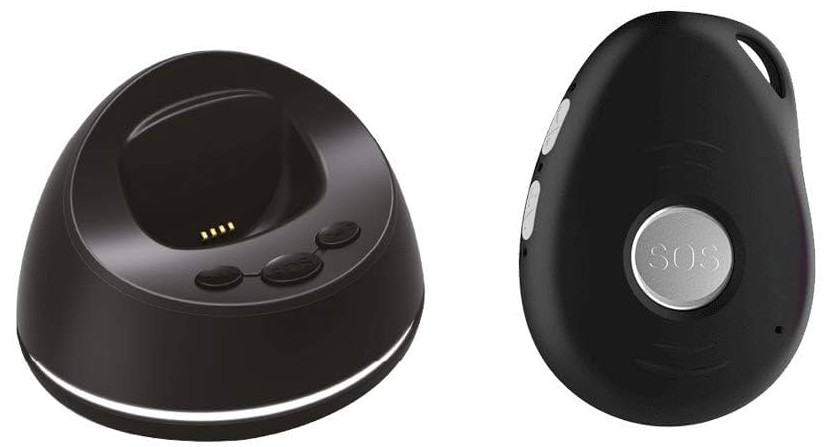
A SOS panic device can be part of that plan, but it works best when its role is clear. In a lone worker context, the device is usually carried or worn so a worker can raise an alert without drawing attention. The alert may open two way voice, share location information, or identify the person and the type of incident. Those details help a security contact or nominated responder decide what to do next.
What duress means in a workplace plan
Duress is pressure or threat that makes a person act against their better judgement. It can be obvious, such as a verbal threat, or quieter, such as a person blocking an exit, crowding a counter, or refusing to leave. A plan does not need to predict every situation. It needs to give staff a safe way to signal that something is wrong before the situation becomes harder to manage.
Reception staff may need to call for help while staying calm at a front desk. Retail workers may be near tills, stockroom doors or a public entrance. Field workers may be on a site where the nearest colleague is some distance away. The common issue is that the worker may not be able to make a clear phone call. A panic button or wearable alert gives them a simpler action under stress.
The plan should also define what the alert is for. A silent alert is generally for a threat or unsafe situation, not for ordinary questions about a job or a customer request. Clear boundaries prevent confusion and help responders take each signal seriously.
How an SOS alert moves through the system
The basic path is simple. The worker activates the device. The device sends an alert through its configured network or connected service. The alert reaches a person or monitoring point able to assess it. That responder tries voice contact, checks location details where available, and follows the workplace procedure for escalation.
Some wearable lone worker alarms include SOS, GPS, two way voice, man down and fall detection alerts. These features serve different purposes. An SOS alert is raised deliberately. A man down or fall detection alert may be triggered when a person stops moving normally or experiences a fall, depending on the device. Location information can help narrow down where the person is, though it should be treated as information to verify rather than a perfect answer.
Two way voice can be especially useful when a worker cannot speak freely but can still listen. A responder may hear background noise, recognise stress, or confirm that the worker is safe. If voice contact is not possible, the response should not stop there. The plan needs a fallback, such as contacting another nominated person, checking with someone nearby, or escalating according to workplace policy.
What reception teams need to decide in advance
A reception area often has a public front and a controlled back area. That layout can help, but only if staff know how to use it. The plan should cover where a device is kept during a shift, what staff do if they need to step away, and how a handover passes on any concern. A visitor log or desk procedure may help account for who is on site, but it should not replace a direct response to an alert.
De escalation skills also matter. Calm words, a steady voice and clear space can reduce tension, but they are not a substitute for help when a threat is present. Staff should not be expected to reason with someone who is aggressive or to put themselves in harms way to protect property. The plan should make that boundary plain.
For a verbal threat, the response can be recorded later in an incident report. At the time, the priority is safety and contact. A short note after the event can capture what was said, what the worker did, and whether the response worked.
What retail settings add to the picture
Retail work has its own pressures. Staff move between the shop floor, registers, fitting rooms and storage areas. A customer may become angry over a transaction, refuse to leave, or follow a worker toward a quieter part of the store. The response plan should account for those movements and avoid assuming that everyone is within sight of a manager.
A wearable alert can be useful where carrying a phone is awkward or where a worker needs hands free movement. A fixed panic button may suit a counter or service point. The choice depends on the task and the level of risk. What matters is that the worker can reach the alert quickly and that colleagues know what follows.
Stores with several staff should set out who responds first and who maintains contact. If everyone rushes to one location, the front of house may be left unmanaged. If nobody responds, the alert loses meaning. A simple response assignment, agreed before a shift begins, removes guesswork.
Field teams and changing surroundings
Field work often involves travel, unfamiliar sites and limited nearby support. A worker may be visiting a property, meeting a client, or completing a job away from a fixed office. In these settings, a planned check in time and an alert device can work together. The check in gives a routine point of contact. The alert covers the moment when routine is not enough.
Before the day starts, the worker should know who is contactable, what information will be sent with an alert, and what to do if voice contact fails. GPS details can help locate a person, but coverage and accuracy can vary. The plan should not depend on one channel alone.
For higher risk visits, a threat assessment may be useful. That does not need to be complex. It can consider the nature of the visit, the history of the site, whether the worker is alone, and whether a second person or a scheduled call is appropriate. The outcome should be practical, not paperwork for its own sake.
Building the response around people
Technology does not respond to a threat by itself. People do. A workable plan names the roles involved and keeps them current. It also allows for ordinary problems such as an unattended phone, a staff member on leave, or an alert received outside normal hours.
- Name the primary responder and a backup for each shift or work period.
- Set out how voice contact is attempted and what happens if there is no answer.
- Record what information responders need, including location and the worker identity.
- Keep contact details and rosters current, especially where shifts change.
- Review each alert or near miss and adjust the plan if something was unclear.
Training should be short enough to remember and specific enough to use. Staff need to know when to activate the alert, what to say if voice contact opens, and what to do while waiting. They also need confidence that raising an alert will not be treated as overreaction. A system that makes people hesitate is a weak system.

What an alert means after the event
The aftermath matters as much as the response. A worker who has been threatened may need a debrief, time away from the situation, or support through a workplace process. An incident report can help record facts while they are fresh. It should focus on what happened, how the alert was handled, and what could be improved.
Regular review keeps the plan grounded. Rosters change, staff turnover happens, and work patterns shift. A plan that was clear at the start of a year may become vague by the next. Reviewing after a real alert, a drill, or a change in duties is more useful than leaving the document untouched.
For New Zealand workplaces considering wearable lone worker alarms, the practical question is not whether a device has impressive features. It is whether a worker under pressure can raise help, whether the right person receives the alert, and whether the workplace has agreed what happens next. A SOS panic device can support that outcome, but the plan around it is what turns a signal into a response.